
In the UK healthcare sector, translation services are crucial for accurate and compliant laboratory reports, especially with a diverse patient population and global medical community. Labs must adhere to stringent regulations and formatting standards set by bodies like the UK Health Security Agency (UKHSA). Professional translation services provide native experts who understand scientific terminology and regional nuances, ensuring critical information is conveyed accurately across various languages. Engaging these services maintains data integrity, enhances efficient communication, and facilitates compliance with healthcare standards, ultimately improving patient care and clinical practices.
In the UK healthcare sector, accurate and compliant laboratory reports are paramount. This article explores how translation services play a pivotal role in ensuring these reports meet stringent national standards. We delve into the key elements of a compliant lab report, common challenges in translation, and best practices for effective quality assurance. Additionally, case studies highlight successful translations within the UK healthcare landscape, emphasizing the importance of professional translation services for accurate communication in medical reporting.
- Understanding UK Healthcare Standards for Laboratory Reports
- The Role of Translation Services in Ensuring Accuracy
- Key Elements of a Compliant Laboratory Report
- Common Challenges in Translating Lab Reports
- Best Practices for Effective Translation and Quality Assurance
- Case Studies: Successful Translations in UK Healthcare
Understanding UK Healthcare Standards for Laboratory Reports

The UK healthcare system operates under stringent regulations, and laboratory reports play a critical role in ensuring patient safety and effective medical care. Meeting these standards is essential for any lab seeking to provide services within the UK. Laboratory reports must be accurate, detailed, and structured to convey complex scientific data clearly. This includes adhering to specific formatting, terminology, and content requirements set by regulatory bodies like the UK Health Security Agency (UKHSA).
Translation services for UK laboratory reports are crucial for labs with a diverse patient population or those offering services across multiple languages. Accurate translations ensure that healthcare professionals, patients, and regulators can understand and interpret report findings accurately, regardless of language barriers. Meeting these standards not only facilitates efficient communication but also helps to maintain consistency in medical care and ensures compliance with UK healthcare regulations.
The Role of Translation Services in Ensuring Accuracy
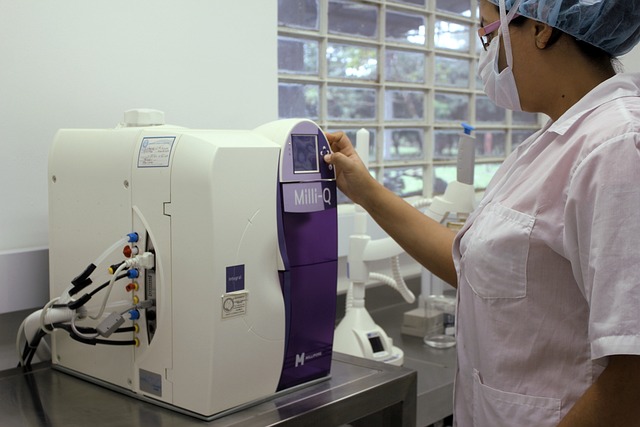
In the realm of UK healthcare, accuracy in laboratory reports is paramount. This is where translation services play a crucial role, ensuring that reports from diverse linguistic backgrounds adhere to stringent local standards. With an increasing globalised medical community, labs across the UK often receive samples and conduct tests for patients from various countries, necessitating precise and culturally sensitive communication.
Professional translation services provide this vital link, offering native-speaking experts who grasp both the scientific terminology and regional nuances. They meticulously translate laboratory reports, ensuring that critical information is conveyed accurately, preserving the integrity of test results, and facilitating seamless healthcare delivery in a multicultural society. Thus, translation services are not just an add-on but an indispensable tool for UK labs to meet healthcare standards, especially when dealing with non-English language reports.
Key Elements of a Compliant Laboratory Report
A compliant laboratory report is a critical component in ensuring accurate and reliable healthcare information within the UK. When it comes to lab reports, adherence to specific standards is paramount to maintaining patient safety and effective communication among healthcare professionals. These key elements form the backbone of a robust laboratory report:
1. Clarity and Structure: A well-organized report with clear headings, sections, and subheadings aids in quick interpretation. Each section should have a defined purpose, whether detailing methodologies, results, or conclusions. This structured approach facilitates efficient data extraction and analysis by healthcare providers, ensuring accurate patient diagnosis and treatment.
2. Methodology Description: Providing detailed accounts of experimental procedures is essential for transparency and reproducibility. Translation services for UK laboratory reports must include precise explanations of techniques, instruments used, and any modifications made during the process. This enables other labs or professionals to understand and replicate the methods if needed, fostering a collaborative environment within the healthcare sector.
3. Data Presentation: Results should be presented in an accessible manner, using tables, graphs, or charts where appropriate. These visual aids simplify complex data, allowing readers to interpret findings quickly. Accurate translations of these data representations are crucial for international patients and healthcare providers who rely on lab reports as part of a broader medical narrative.
Common Challenges in Translating Lab Reports

Translating lab reports from one language to another presents several challenges, particularly in meeting UK healthcare standards. One of the primary hurdles is ensuring accuracy and preserving the original intent behind the scientific findings. Language nuances, technical terminologies, and specific terminology used in the UK healthcare sector require meticulous handling. Mistranslations can lead to miscommunication, potentially affecting patient care and treatment outcomes.
Another challenge lies in maintaining the report’s structure and format while adapting it to a new language. Different countries have distinct formatting requirements for medical documents, including font styles, page layouts, and data presentation. Translation services must employ professional linguists with expertise in both scientific writing and UK healthcare standards to address these challenges effectively. The need for precise and reliable translation services for UK laboratory reports has become increasingly important given the globalized nature of healthcare and the diverse patient populations served by UK medical institutions.
Best Practices for Effective Translation and Quality Assurance

Ensuring accurate and effective translation is a cornerstone in meeting UK healthcare standards for laboratory reports. When dealing with complex scientific terminology, it’s crucial to engage professional translation services specialising in medical documentation. These experts possess the knowledge and expertise to convey technical concepts accurately, maintaining the integrity of data and ensuring compliance.
Quality assurance (QA) plays a vital role in this process. Reputable translation providers implement rigorous QA protocols, including multiple rounds of review by subject-matter experts. This meticulous approach minimises errors related to terminology, syntax, and cultural nuances, thereby enhancing the overall reliability of the translated laboratory reports.
Case Studies: Successful Translations in UK Healthcare
In the dynamic landscape of UK healthcare, effective communication is paramount, especially when it comes to laboratory reports. Translation services play a pivotal role in ensuring these critical documents are accessible and understandable for professionals across diverse linguistic backgrounds. Case studies highlight successful translations that have seamlessly integrated into UK healthcare systems. These examples demonstrate how specialized translation services can accurately convey complex scientific information, maintaining the integrity of data and standards.
By leveraging professional translation experts with deep knowledge of medical terminology and regulations, UK laboratories can meet stringent healthcare standards. Translation services for UK laboratory reports not only facilitate communication but also contribute to improved patient care and safer clinical practices. This is achieved through precise translations that capture nuanced scientific concepts, ensuring healthcare providers have the information they need to make informed decisions.
UK healthcare standards for laboratory reports demand precision, clarity, and adherence to strict guidelines. Translation services play a pivotal role in ensuring these reports meet the required criteria by accurately conveying technical information across languages. By incorporating key elements like comprehensive data, proper formatting, and standardized terminology, translation professionals contribute to the overall quality and effectiveness of laboratory communications within the UK healthcare sector. Effective translation processes, coupled with robust quality assurance measures, are essential for facilitating accurate diagnoses, treatments, and patient care outcomes.