
Translation services for UK Laboratory Reports are essential for healthcare professionals to overcome language barriers and ensure accurate communication of critical diagnostic information. These services must be performed by experts with specialized knowledge in both medical sciences and the nuances of language to accurately translate complex scientific terminology and maintain compliance with UK regulatory bodies such as the MHRA and GMC. The process involves a blend of advanced translation technology and human expertise, including native-speaking medical experts, to deliver translations that are both linguistically precise and contextually relevant. This ensures that all healthcare practitioners, regardless of their linguistic background, can access and understand lab reports, leading to informed clinical decisions, improved team communication, and ultimately, better patient outcomes in the UK's diverse healthcare setting.
navigating the complexities of medical language, translation services play a pivotal role in ensuring that laboratory reports are accurately conveyed to healthcare professionals within the UK. This article delves into the nuances of translating lab reports, emphasizing the standards and requirements unique to UK healthcare. From precision and clarity in language to the challenges of maintaining linguistic proficiency in scientific contexts, we explore key considerations for translators. We also examine the impact of clear and accurate translations on patient outcomes, the importance of confidentiality, and the advancements in technology that enhance the quality of scientific translations. With a focus on compliance with regulatory frameworks, training for specialized translators, and emerging trends, this piece provides a comprehensive overview of the translation services for UK Laboratory Reports.
- Understanding the Demand for Lab Report Translation in UK Healthcare
- The Role of Accurate Translations in Medical Research and Communication
- Overview of UK Laboratory Report Standards and Requirements
- Key Considerations for Translating Lab Reports: Precision and Clarity
- The Importance of Linguistic Proficiency in Scientific Contexts
- Types of UK Healthcare Professionals Benefiting from Lab Report Translations
- Challenges in Translating Laboratory Reports for Medical Use
- Best Practices for Translating Complex Scientific Data
- Selecting a Reliable Translation Service Provider for Healthcare Documents
- Ensuring Compliance with Regulatory Frameworks in Translated Lab Reports
Understanding the Demand for Lab Report Translation in UK Healthcare

UK healthcare professionals often encounter lab reports that require a clear and accurate understanding of results, which are pivotal for patient care and treatment decisions. With the increasing diversity of the UK population and the growing number of international collaborations in medical research, the demand for precise translation services for UK laboratory reports has become paramount. Healthcare providers must navigate through findings from various sources, ensuring that every piece of data is conveyed accurately across linguistic barriers. This necessity for precise translations underpins the importance of employing professional translation services specializing in medical terminology and regulatory compliance. Such services bridge communication gaps, facilitating better patient outcomes and enhancing the efficiency of clinical decision-making processes. As such, the role of translation services for UK Laboratory Reports is critical in supporting a healthcare system that values both multicultural sensitivity and scientific accuracy.
The Role of Accurate Translations in Medical Research and Communication

Accurate translations play a pivotal role in the realm of medical research and communication, particularly within the UK’s healthcare sector. The translation services for UK Laboratory Reports are not merely a matter of linguistic equivalence but a critical component ensuring the integrity and validity of research findings across multilingual environments. Healthcare professionals rely on precise translations to interpret laboratory reports accurately, which directly influences patient care and treatment outcomes. Any discrepancies due to translation errors can lead to misdiagnosis or inappropriate medical interventions, highlighting the importance of employing expert linguists who are conversant with both the source and target languages as well as the specific terminology used in laboratory settings.
In the UK, where research collaboration is frequent and often involves multinational teams, the need for reliable translation services for UK Laboratory Reports cannot be overstated. These translations facilitate not only the dissemination of findings to a global audience but also enable UK healthcare professionals to stay abreast of international advancements in medicine. The translations must capture nuances and context-specific jargon, ensuring that the subtleties of scientific language are preserved. This level of accuracy not only supports the scientific community in their pursuit of knowledge but also upholds patient safety and fosters global trust in UK healthcare research. Consequently, selecting a translation service with expertise in both medical terminology and the linguistic nuances of the target audience is imperative for the successful communication of lab reports.
Overview of UK Laboratory Report Standards and Requirements

UK laboratory reports adhere to stringent standards, which are essential for ensuring accuracy and reliability in healthcare settings. These reports follow guidelines set forth by the Clinical Pathology Accreditation Advisory Committee (CPAAC) and the United Kingdom Accreditation Service (UKAS). The latter is a national accreditation body recognized by the government to assess the competence of organizations that provide proficiency in different fields, including medical laboratories. For translation services to effectively transfer lab reports for UK healthcare professionals, it is imperative that translators are well-versed in both the language nuances and the specific technical vocabulary used within these reports. This includes understanding the context and significance of each parameter, unit of measure, and reference range. Additionally, translators must be adept at conveying the report’s findings accurately while maintaining the integrity of the original data. Utilizing professional translation services for UK laboratory reports ensures that healthcare professionals receive precise and reliable information in a language they fully comprehend, facilitating informed clinical decisions and patient care. It is crucial that these translations not only meet the linguistic requirements but also comply with the legal and regulatory standards as outlined by bodies such as the General Medical Council (GMC) and the Human Tissue Act (HTA), thereby safeguarding the confidentiality and integrity of patient data.
Key Considerations for Translating Lab Reports: Precision and Clarity
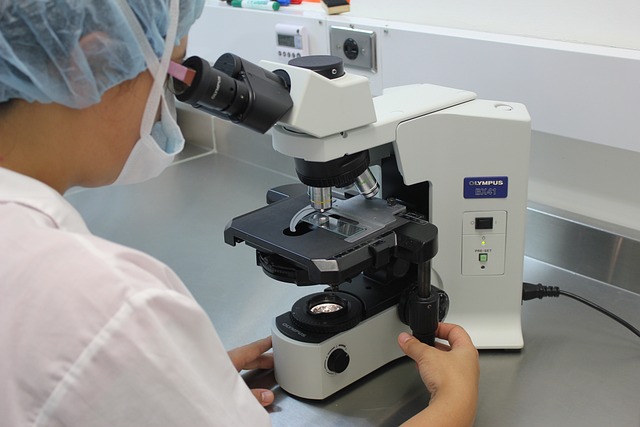
When translating lab reports for healthcare professionals in the UK, precision and clarity are paramount to maintain the integrity of the findings and ensure patient safety. The translation services for UK laboratory reports must navigate the complex language often found within these documents, which can include technical terms, medical jargon, and specialized nomenclature. It is crucial that the translated text conveys not only the exact values and observations but also the nuances of the original report, such as units of measurement, thresholds for normal ranges, and statistical significance. The accuracy of these translations directly impacts clinical decision-making and patient outcomes. Therefore, translation agencies specializing in this field invest in trained linguists with a background in science or medicine to handle such translations. These experts are adept at converting findings into clear, understandable language that aligns with the scientific context while being accessible to UK healthcare professionals who may not have the same specialized knowledge as the original authors.
In addition to precision and clarity, the chosen translation services for UK laboratory reports must maintain the original report’s tone and intent. This requires an understanding of the cultural context and the ability to adapt terminology in a way that is both accurate and appropriate within the UK healthcare system. The goal is to produce translations that are not only linguistically sound but also reflective of the source document’s purpose, whether it is for diagnostic, prognostic, or research purposes. By doing so, these translations serve as reliable tools for healthcare professionals, facilitating better patient care and outcomes in a multicultural society where language barriers can otherwise pose significant challenges.
The Importance of Linguistic Proficiency in Scientific Contexts
In the realm of healthcare, precision and clarity are paramount, especially when it comes to lab reports that inform patient care and treatment decisions. Translation services for UK Laboratory Reports must therefore be underpinned by exceptional linguistic proficiency. The accuracy of translations directly impacts the quality of information available to healthcare professionals, which can influence diagnostic processes, treatment outcomes, and patient safety. When data from laboratory tests is translated into another language, it is critical that the nuances of scientific terminology are captured without distortion. This requires a deep understanding of both source and target languages, as well as the specialized vocabulary inherent to medical and laboratory sciences. Proficient translators are adept at conveying the exact meaning of results, ensuring that the integrity of the data is preserved across linguistic boundaries. They must navigate the complexities of both the original report’s context and the context in which the translated report will be used, thereby facilitating effective communication among healthcare practitioners from diverse linguistic backgrounds. This not only enhances multidisciplinary collaboration but also ensures that all stakeholders have access to the same level of information, leading to improved patient care and outcomes.
Types of UK Healthcare Professionals Benefiting from Lab Report Translations

UK healthcare professionals across various specialties frequently rely on laboratory reports to inform patient diagnoses, treatment plans, and clinical decisions. The accuracy and comprehensibility of these reports are paramount when they contain findings critical for patient care. Translation services for UK Laboratory Reports play a crucial role in this context, bridging language barriers that could otherwise impede the exchange of vital medical information. Clinical scientists, who analyze samples and provide diagnostic data, benefit from these translation services to communicate their findings to multilingual colleagues or patients directly. Similarly, pathologists, who interpret tissue and bodily fluid samples for disease diagnosis, utilize translations to share their results with a wider audience. Other healthcare professionals such as nurses, general practitioners, and specialists like oncologists and cardiologists also depend on these translations to ensure they fully understand the content of lab reports. This understanding is essential when collaborating with multidisciplinary teams or providing care to patients who speak different languages. The provision of accurate translations ensures that all healthcare professionals have access to the same level of medical insight, facilitating better patient outcomes and more effective team communication within the UK’s diverse healthcare settings.
Challenges in Translating Laboratory Reports for Medical Use

Lab reports translated for healthcare professionals in the UK must convey precise and accurate information, as any discrepancies can lead to misdiagnosis or incorrect treatment plans. The translation of laboratory reports presents unique challenges that go beyond the linguistic aspects of language conversion. Firstly, scientific terminology often lacks direct equivalents across languages, necessitating a deep understanding of both the source and target linguistic contexts. Secondly, the nuances in medical jargon can be misinterpreted if not accurately rendered, leading to potential errors in patient care.
Translation services for UK laboratory reports must employ translators with specialized knowledge in both medicine and the language pair in question. These experts should be well-versed in the standards and conventions used in UK laboratories to ensure that the translated text maintains the original meaning, units of measure, and significance of results. Additionally, they must navigate the complexities of medical terminology, which can vary significantly even within the healthcare sector. The use of specialized software and databases can aid in this process by providing context-specific translations and equivalents for technical terms. However, human expertise remains indispensable to interpret ambiguities and apply contextual knowledge that automated tools cannot reliably provide. Thus, translation services for UK laboratory reports must be a blend of advanced technology and expert human judgment to guarantee the integrity and utility of translated medical documents.
Best Practices for Translating Complex Scientific Data

Translating complex scientific data, such as UK laboratory reports, demands precision and a deep understanding of both the source and target languages, as well as the specialized context in which the information is conveyed. To ensure accuracy and clarity, translation services must employ best practices tailored to the intricacies of scientific documentation. Firstly, translators should have expertise in the relevant field, which could range from medical sciences to biotechnology, allowing them to grasp technical terms and concepts accurately. They must also utilize specialized terminologies that are recognized within the healthcare sector in the UK, ensuring that the translated report aligns with industry standards.
Secondly, a robust translation process should include multiple steps, including initial translation, thorough review by subject matter experts, and final proofreading to catch any linguistic or scientific inconsistencies. The use of translation memory software can facilitate consistency across translations of similar content, while glossaries and style guides specific to medical reporting help maintain terminological accuracy. Additionally, maintaining a clear line of communication between the translator, reviewer, and client is crucial for addressing any ambiguities or uncertainties that arise during the translation process. By adhering to these practices, translation services for UK laboratory reports can provide healthcare professionals with reliable, understandable, and accurate scientific data, thereby enhancing patient care and research integrity.
Selecting a Reliable Translation Service Provider for Healthcare Documents

When healthcare professionals in the UK require lab reports translated from various languages into English, selecting a reliable translation service provider is paramount. The accuracy and clarity of translations for laboratory reports are not just critical for patient care but also for maintaining professional standards and legal compliance. In the realm of medical documentation, precision trumps all; thus, it’s essential to choose a translation service with expertise in both medical terminology and the specific language pair in question. Professionals should look for providers that offer certified translations and have a proven track record in translating UK laboratory reports. These providers often employ native-speaking translators with industry-specific knowledge, ensuring that the nuances of both language and medical science are accurately conveyed. Additionally, they should adhere to strict confidentiality protocols, given the sensitive nature of healthcare data. By opting for a translation service that specializes in this niche, UK healthcare professionals can be assured of receiving high-quality translations that uphold the integrity and efficacy of medical decision-making processes.
Ensuring Compliance with Regulatory Frameworks in Translated Lab Reports

When translating lab reports for UK healthcare professionals, adherence to regulatory frameworks is paramount to ensure the integrity and accuracy of the translated data. The translation services for UK Laboratory Reports must align with the stringent standards set forth by bodies such as the Medicines and Healthcare products Regulatory Agency (MHRA) and the General Medical Council (GMC). These guidelines dictate the proper handling, reporting, and interpretation of clinical laboratory test results, which are critical for patient care and decision-making. Proficient translators specializing in medical terminology must be well-versed in these regulations to provide precise translations that maintain the original report’s meaning and context.
The translation process involves not only converting text from one language to another but also ensuring that the nuances of medical terms and the specificity of quantitative data are accurately rendered. The use of qualified medical translators, equipped with knowledge of both the source and target languages as well as the relevant healthcare systems, is essential to bridge the gap between laboratory findings and clinicians. By employing advanced translation technology and expert human oversight, these services can deliver lab reports that meet both linguistic and regulatory requirements, ensuring that UK healthcare professionals receive information they can trust and rely upon for effective patient care.
In conclusion, the translation of UK laboratory reports is a specialized task that plays a pivotal role in advancing healthcare outcomes and facilitating international scientific collaboration. The demand for precise and clear translations underscores the critical nature of this work, ensuring that healthcare professionals across various disciplines can access and comprehend essential data without ambiguity. Proficiency in both language and scientific terminology is paramount to accurately convey the nuances of laboratory findings. As such, opting for professional translation services for UK laboratory reports is not just a convenience but a commitment to upholding the integrity of medical research and the safety of patients. Adherence to UK standards, compliance with regulatory frameworks, and utilization of best practices in translating complex scientific data are essential to deliver high-quality, reliable translations that support healthcare innovation and evidence-based practice. By doing so, these translations become a cornerstone for informed decision-making within the UK healthcare system and beyond.