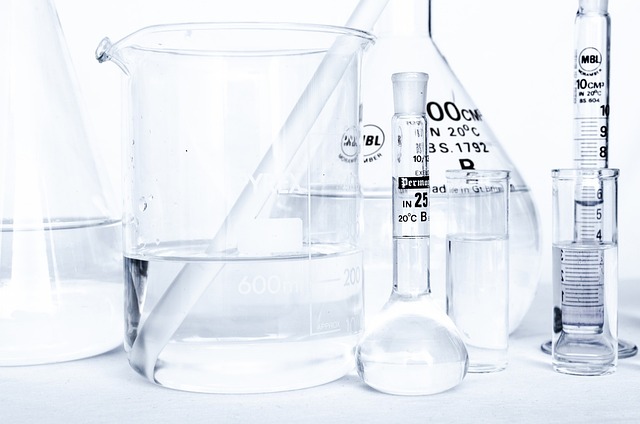
Translation services for UK Laboratory Reports are of paramount importance due to their critical role in disseminating complex scientific data accurately across different languages and cultures. These services provide specialized linguists with a deep understanding of scientific terminology and methodologies to ensure precision in translating highly technical lab reports. The accuracy of such translations is essential for maintaining the integrity of research findings, complying with international regulatory standards, and facilitating global scientific collaboration. Expert translation services are indispensable for ensuring that UK laboratory reports meet high standards of precision and compliance, enabling researchers and institutions to share their work effectively on an international scale, thus advancing scientific knowledge and innovation. Selection of a competent translation service provider with expertise in the relevant scientific field and familiarity with UK regulatory frameworks is crucial for accurate translations that are both linguistically and scientifically meaningful. This ensures that translated reports align with the original documents' rigor and specificity, thereby gaining acceptance from regulatory bodies worldwide and supporting international scientific collaboration efforts.
When the precision of scientific data hinges on flawless communication, expert translation for UK laboratory reports becomes paramount. This article delves into the critical role of professional translation services in ensuring that scientific findings are accurately conveyed to diverse audiences globally. We will explore the necessity of linguistic finesse and subject-matter expertise, the importance of adhering to UK regulatory standards, and how these factors converge to make translation services for UK laboratory reports an indispensable asset in scientific communication. Join us as we examine the key considerations for selecting a reliable service provider and present case studies highlighting successful translations that have expanded the reach and impact of UK lab reports.
- Understanding the Importance of Accurate Translation for Lab Reports in the UK
- The Role of Professional Translation Services in Scientific Communication
- Key Considerations When Choosing a Translation Service for UK Laboratory Reports
- The Expertise Required: Linguistic Proficiency and Subject-Matter Knowledge
- Ensuring Compliance with UK Regulatory Standards in Translated Lab Reports
- Case Studies: Successful Translation of UK Lab Reports for Global Audiences
Understanding the Importance of Accurate Translation for Lab Reports in the UK
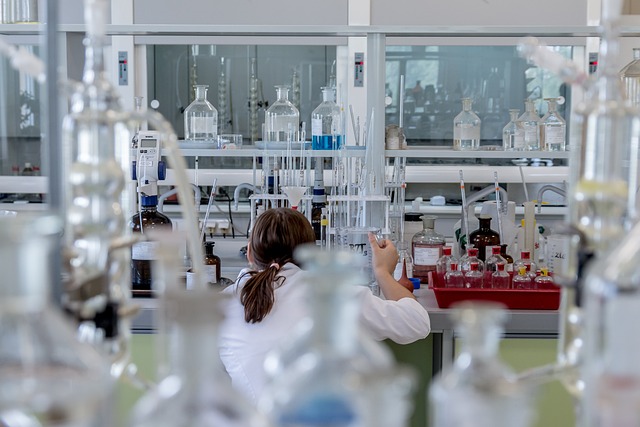
When it comes to scientific research and laboratory reports in the UK, accuracy is paramount. The importance of precise translation for lab reports cannot be overstated, as these documents often serve as the cornerstone for decision-making in both academic and commercial contexts. Translation services for UK Laboratory Reports must be adept at conveying complex scientific terminology and methodologies accurately to ensure that findings are not misrepresented or misinterpreted. The stakes are high, as incorrect translations can lead to flawed conclusions, compromising the integrity of the research and its potential applications. Expert translators with specialized knowledge in the relevant scientific fields are essential to bridge language barriers and maintain the integrity of data. Utilizing professional translation services for UK Laboratory Reports is critical for international collaboration, regulatory compliance, and the global dissemination of findings, thereby upholding the reputation of UK research institutions and contributing to the advancement of science worldwide.
In the UK, where research often has significant implications on public health, environmental policies, and technological advancements, the reliability of translation is not just a matter of semantics—it’s a matter of trust and credibility. The role of translation services for UK Laboratory Reports extends beyond mere linguistic transfer; it encompasses the nuanced interpretation of scientific data, ensuring that the essence and intent of the original report are preserved. This is where specialized translation experts come into play, offering meticulous attention to detail and a commitment to maintaining the scientific integrity of lab reports across disciplines, from biotechnology to pharmaceuticals, and from chemistry to environmental science. Choosing the right translation service provider can be the difference between meaningful progress in research and outcomes that may lead to misleading or incorrect conclusions, which could have far-reaching consequences for all stakeholders involved.
The Role of Professional Translation Services in Scientific Communication

In the realm of scientific research, accuracy and clarity are paramount. When it comes to laboratory reports in the UK, these documents often contain complex data and specialized terminology that can be challenging for non-experts to comprehend. This is where professional translation services play a critical role. These services specialize in rendering lab reports into accurate, coherent English, ensuring that the intended message is conveyed precisely. The translators employed by these services are not only proficient linguists but also have a deep understanding of scientific concepts and methodologies. This dual expertise allows them to translate UK Laboratory Reports with an unparalleled degree of precision, making the information accessible to a global audience. The importance of this cannot be overstated; scientific communication is a cornerstone of innovation, collaboration, and progress. By facilitating clear and precise translation, professional services enable researchers to share their findings with colleagues worldwide, fostering international cooperation and accelerating the pace of scientific discovery. This sharing of knowledge also supports regulatory compliance for global submissions, ensuring that research meets the standards required by various jurisdictions. In essence, the role of professional translation services in scientific communication is to bridge linguistic barriers, thereby empowering scientists to reach beyond national boundaries and contribute to the collective pool of human knowledge.
Key Considerations When Choosing a Translation Service for UK Laboratory Reports

When engaging a translation service for UK laboratory reports, precision and accuracy are paramount. The translator must possess specialized knowledge in both the source and target languages as well as a comprehensive understanding of scientific terminology. This is crucial due to the technical nature of lab reports, which often contain complex data, methodologies, and results that require exact translation to avoid misinterpretation. Opt for services with native speakers who are adept at handling such intricate documentation; their expertise ensures the integrity of the original text is upheld in its translated form. Additionally, consider a provider with a proven track record in the scientific community, reflecting an ability to deliver translations that meet the high standards expected within this field. Verifying their credentials and past projects can provide assurance of their proficiency, thereby mitigating any risks associated with miscommunication or data discrepancies.
In the selection process, it is also imperative to evaluate the service’s familiarity with the relevant regulatory standards and compliance requirements. For instance, translations for clinical trial reports or environmental assessments should adhere to specific guidelines set forth by authorities such as the MHRA (Medicines and Healthcare products Regulatory Agency) or the EMA (European Medicines Agency). A translation service that is well-versed in these regulations will ensure that your laboratory reports are not only accurately translated but also fully compliant, facilitating a smoother review process by regulatory bodies. This attention to detail and adherence to industry standards is what distinguishes exceptional translation services from the mediocre ones when it comes to UK laboratory reports.
The Expertise Required: Linguistic Proficiency and Subject-Matter Knowledge

When it comes to translating laboratory reports in the UK, the precision and accuracy of the language used are paramount. Expert translation services for UK Laboratory Reports require a linguist who not only possesses a high level of proficiency in both the source and target languages but also has an intimate understanding of the subject matter. The scientific domain, with its intricate terminology and methodologies, demands a translator who can navigate the complexities of both language and science without compromising on the integrity of the original data or findings. This dual expertise ensures that all nuances, from technical jargon to context-specific references, are accurately conveyed, maintaining the report’s scientific validity and ensuring that it is comprehensible to an audience proficient in the target language.
The translator must be adept at interpreting specialized content within a scientific context, which necessitates a background or education in the relevant field. Whether it’s chemistry, biology, or any other scientific discipline, this subject-matter knowledge is crucial for an accurate and meaningful translation. It is not enough to simply translate words from one language to another; the translator must understand the principles, concepts, and methodologies behind the data presented in the report. This level of expertise ensures that the final document upholds the original study’s rigor and reliability, making such translation services for UK Laboratory Reports indispensable for researchers, regulatory bodies, and institutions involved in international scientific collaboration.
Ensuring Compliance with UK Regulatory Standards in Translated Lab Reports
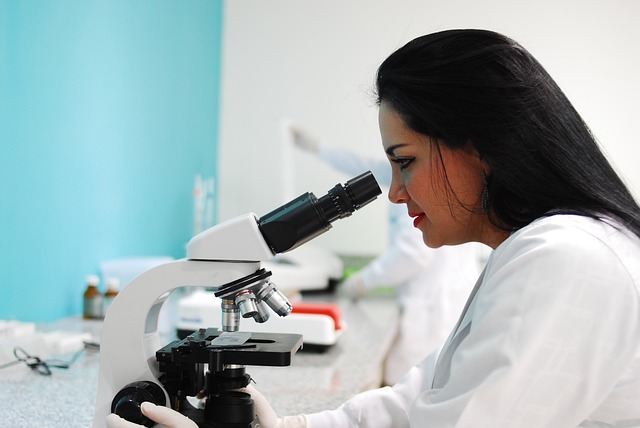
When translating laboratory reports in the UK, adherence to regulatory standards is paramount to maintain the integrity and validity of the scientific data. Expert translation services for UK Laboratory Reports must be well-versed in the specific regulatory requirements, including those set by the Medicines and Healthcare products Regulatory Agency (MHRA), the Clinical Trials Regulations, and Good Clinical Practice (GCP) guidelines. These standards ensure that all translated reports convey accurate and precise data, reflecting the original text’s scientific rigor and context. Selecting a translation service with professionals who are not only linguistically proficient but also knowledgeable in the relevant scientific fields is crucial for compliance. This expertise ensures that the nuances of language and science are harmonized, providing stakeholders, including regulatory bodies, with reports that meet both linguistic and regulatory expectations without compromising on quality or clarity.
The translation of laboratory reports in the UK extends beyond mere word-for-word transcription; it involves a deep understanding of the subject matter and the ability to represent complex scientific information accurately across different languages. The chosen service should be committed to maintaining the highest standards of accuracy, ensuring that all findings, methodologies, and results are translated with precision. This commitment to quality is essential for the reports to be accepted and recognized by UK regulatory bodies, thus facilitating international collaboration, patent applications, and multinational research endeavors. By leveraging specialized translation services for UK Laboratory Reports, organizations can navigate the complexities of cross-cultural communication with confidence, knowing that their scientific data is accurately presented in compliance with all necessary regulations.
Case Studies: Successful Translation of UK Lab Reports for Global Audiences
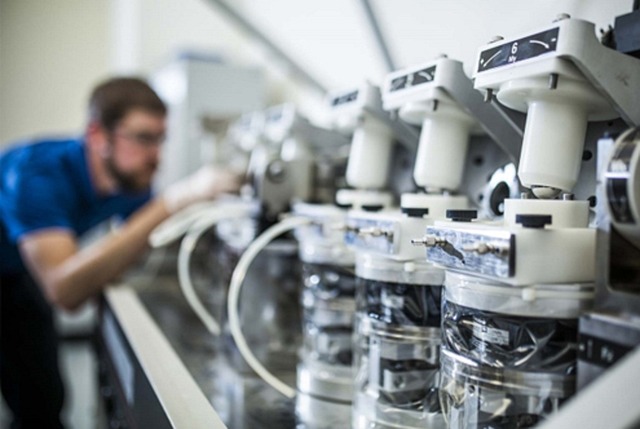
UK laboratory reports often contain specialized terminology and data that are critical for scientific research and decision-making across the globe. To ensure these documents reach a wider audience, expert translation services are indispensable. A prime example of this is a pharmaceutical company based in London, whose cutting-edge research led to the development of a novel drug. The company’s lab reports detailing the drug’s efficacy and safety were meticulously translated into several languages by specialist translators with a background in pharmacology. This allowed the company to communicate their findings to international regulatory bodies, thereby expediting the approval process in countries where English is not the first language. Similarly, a biotech firm in Edinburgh required translations of their lab reports into German and Japanese to collaborate with overseas partners and expand their market reach. The precision and nuance provided by the translation services enabled seamless communication, facilitating successful partnerships and technological advancements. These case studies underscore the importance of expert translation services for UK laboratory reports in connecting scientific endeavors with a global audience.
When it comes to translating lab reports in the UK, precision and expertise are paramount. This article has highlighted the critical role of professional translation services, ensuring that scientific findings are accurately conveyed to a global audience. The specialized knowledge required by translators in this field—encompassing both linguistic finesse and profound understanding of the subject matter—cannot be overstated. By adhering to UK regulatory standards and maintaining high compliance levels, these services facilitate clear and reliable communication that is indispensable for the advancement of scientific knowledge. As evidenced by case studies showcasing successful translations, the impact of this specialized translation work extends far beyond mere language transfer; it paves the way for innovation, collaboration, and progress in the global scientific community. For those needing expert translation services for UK laboratory reports, this article underscores the importance of selecting a provider with both linguistic expertise and an intimate familiarity with the scientific context.